1e-43 is a design research studio

initiated by artist Lei Zhang.

The studio explores the interseciton of

time

,

matter

,

energy

,

intelligence

and thresholds beyond 1e-43.

Monica Ellis is an independent Art Director and Designer with more than 15 years of experience. She works closely with brands like Rimowa, Nike, On Running, Moncler and more.

1e-43 is an independent design research studio initiated by artist Lei Zhang. The studio explores the intersection of light, matter, time, energy and and thresholds beyond 1e-43.

1e-43 is an independent design research studio initiated by artist Lei Zhang. The studio explores the intersection of light, matter, time, energy and and thresholds beyond 1e-43.

About

1e-43 is a London-based design and research studio founded by Lei Zhang, working at the intersection of architecture, physics, and computation to explore time as a design material. The studio uses sensing, simulation, and fabrication to translate light, invisible forces, and data into spatial experiences, treating buildings and images as instruments that register duration rather than fix form. Its projects span installations, films, and architectural systems, merging research and experimentation to create work that is temporal, critical, and shaped by the dialogue between human, machine, and matter.

Previous

Next

01/04

Previous

Next

01/04

About

1e-43 is a London-based design and research studio founded by Lei Zhang, working at the intersection of architecture, physics, and computation to explore time as a design material. The studio uses sensing, simulation, and fabrication to translate light, invisible forces, and data into spatial experiences, treating buildings and images as instruments that register duration rather than fix form. Its projects span installations, films, and architectural systems, merging research and experimentation to create work that is temporal, critical, and shaped by the dialogue between human, machine, and matter.

Previous

Next

01/04

Bio

Lei (Ray) Zhang is an architectural designer and critical technologist whose practice interrogates the friction between high-fidelity computation and material reality. He currently serves as the Co-Founder and Head of R&D at Wedge and the Founder of Studio 1e-43. With a foundation in architecture from the Architectural Association , Zhang explores the intersection of spatial intelligence and advanced manufacturing, aiming to establish frameworks for human-machine co-authorship that challenge traditional modes of production. His research synthesizes robotic fabrication, generative AI, and forensic reconstruction to address themes of material agency, temporal instability, and the politics of machine perception.

In professional practice, Zhang has implemented computational strategies for leading firms including Bjarke Ingels Group (BIG) and Amanda Levete Architects (AL_A). There, he specialized in engineering procedural workflows and automating complex surface modeling, bridging the gap between digital intent and fabrication precision. Deeply engaged in pedagogical discourse, he serves as a Guest Critic and Technical Study Teaching Assistant at the Architectural Association and has contributed to the AAVS "Rebuilding Vienna" workshop as a guest collaborator.

Zhangs creative output has been recognized internationally, with exhibitions at 3daysofdesign in Copenhagen, Material Matters and the London Design Festival in the UK, and Zrfdbck in Tokyo. He is a recipient of the AA Technical Study High Pass Prize and the Media Study High Pass Prize. His work and writing have been featured in Elle Decoration UK, Dezeen Events, DesignWanted, Archipanic, and Parametric Architecture.

Bio

Lei (Ray) Zhang is an architectural designer and critical technologist whose practice interrogates the friction between high-fidelity computation and material reality. He currently serves as the Co-Founder and Head of R&D at Wedge and the Founder of Studio 1e-43. With a foundation in architecture from the Architectural Association , Zhang explores the intersection of spatial intelligence and advanced manufacturing, aiming to establish frameworks for human-machine co-authorship that challenge traditional modes of production. His research synthesizes robotic fabrication, generative AI, and forensic reconstruction to address themes of material agency, temporal instability, and the politics of machine perception.

In professional practice, Zhang has implemented computational strategies for leading firms including Bjarke Ingels Group (BIG) and Amanda Levete Architects (AL_A). There, he specialized in engineering procedural workflows and automating complex surface modeling, bridging the gap between digital intent and fabrication precision. Deeply engaged in pedagogical discourse, he serves as a Guest Critic and Technical Study Teaching Assistant at the Architectural Association and has contributed to the AAVS "Rebuilding Vienna" workshop as a guest collaborator.

Zhangs creative output has been recognized internationally, with exhibitions at 3daysofdesign in Copenhagen, Material Matters and the London Design Festival in the UK, and Zrfdbck in Tokyo. He is a recipient of the AA Technical Study High Pass Prize and the Media Study High Pass Prize. His work and writing have been featured in Elle Decoration UK, Dezeen Events, DesignWanted, Archipanic, and Parametric Architecture.

Seconds

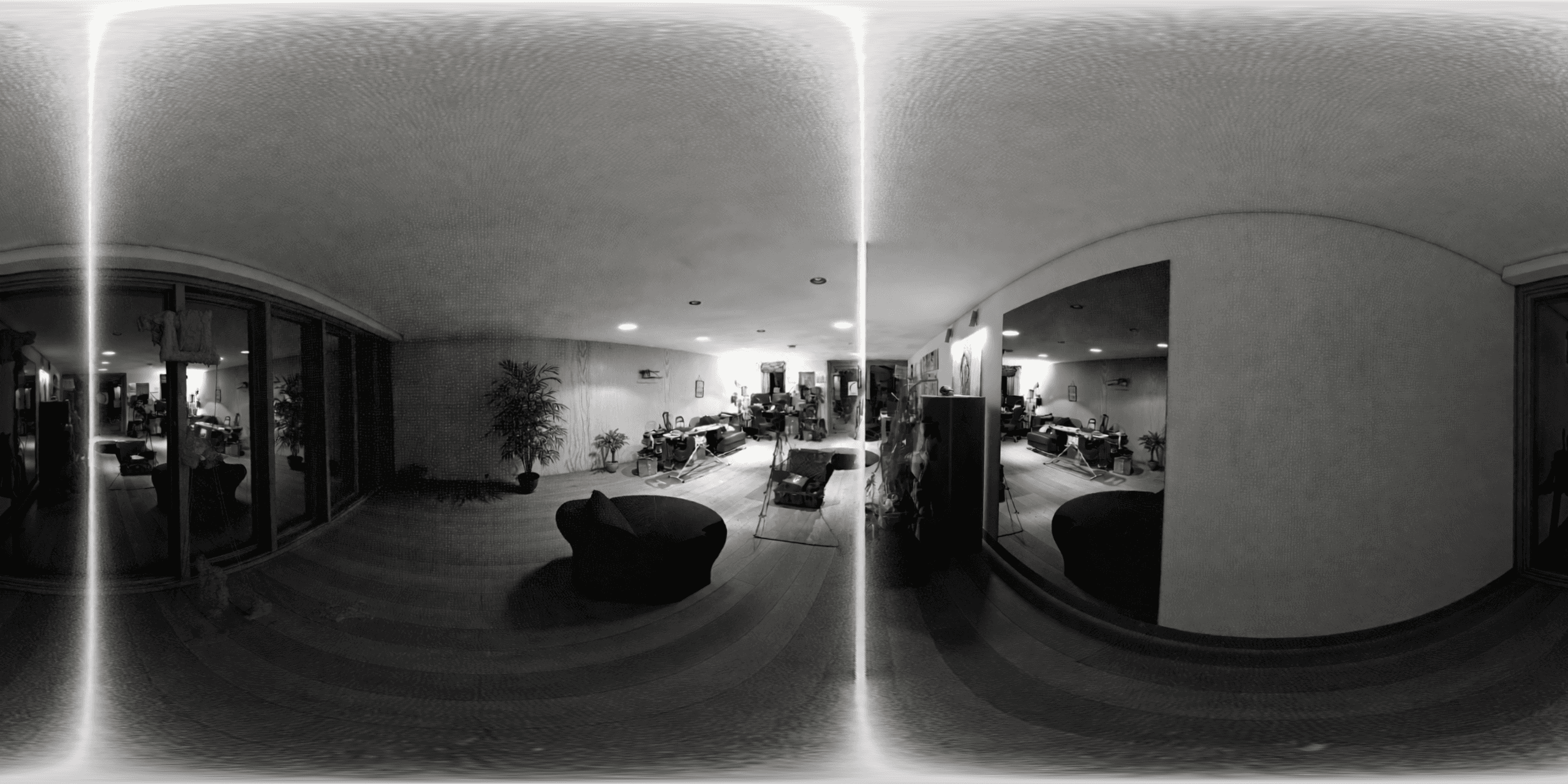
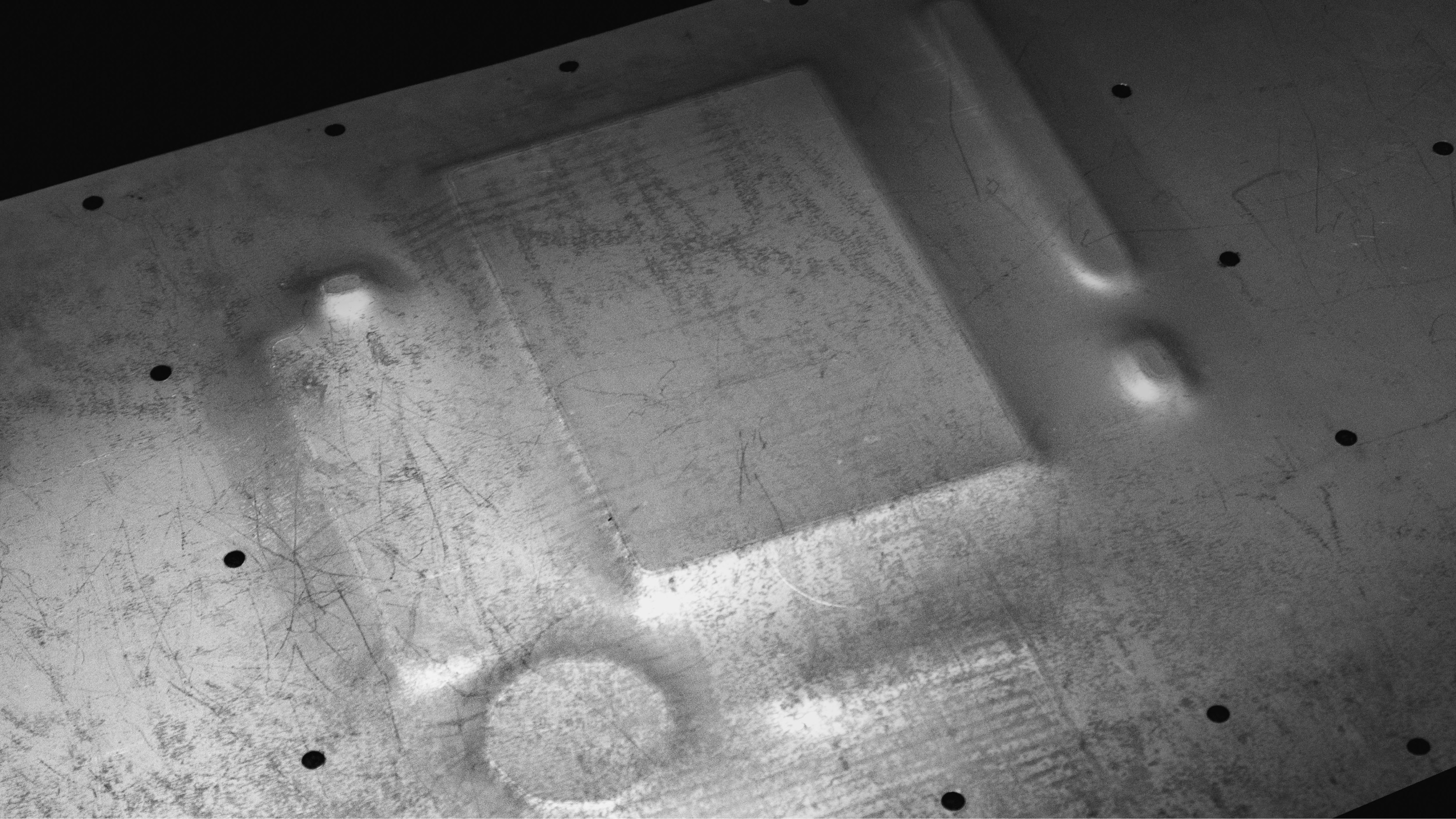
Time is treated as a building material. Spatial processes operate across multiple scales of duration, shifting the focus from static objects to unfolding events. From real-time sensing to deep temporal speculation, design orchestrates invisible forces into perceptible experiences.

Neurons

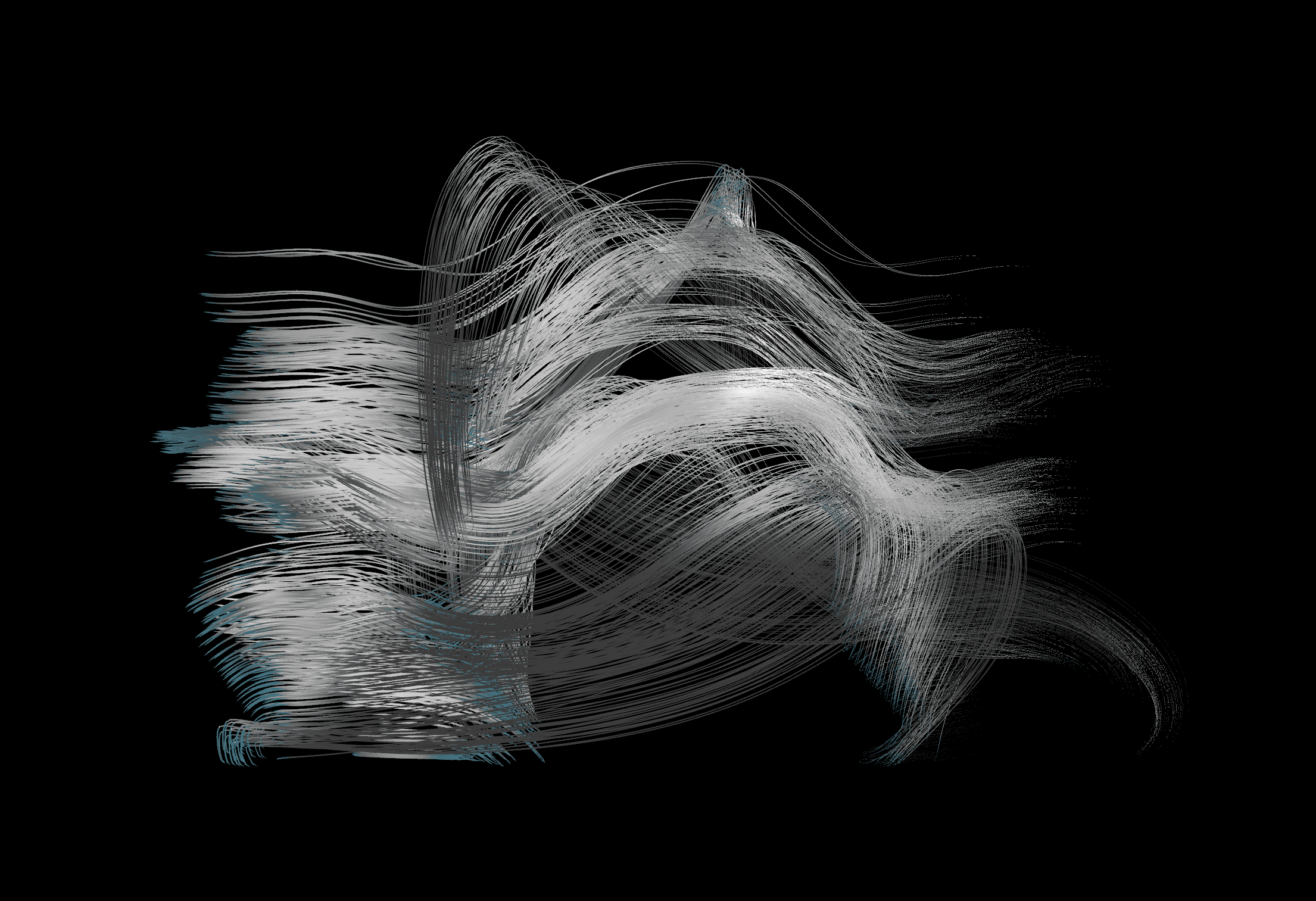
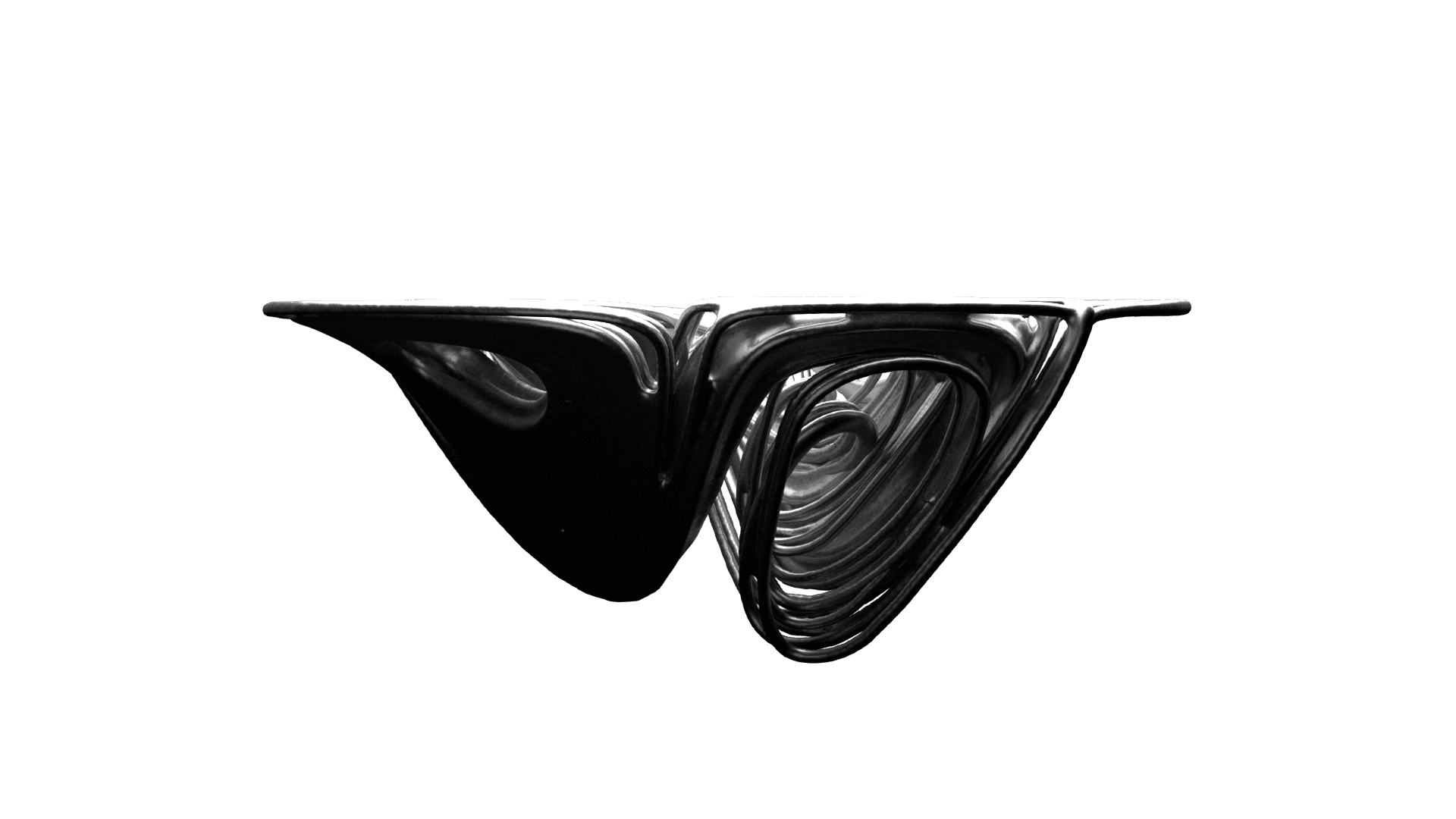
Neurons Intelligence is approached as an alien logic. The design process harnesses machine hallucinations as generative constraints, blurring the distinction between biological intent and algorithmic agency to form new spatial realities.

Atoms

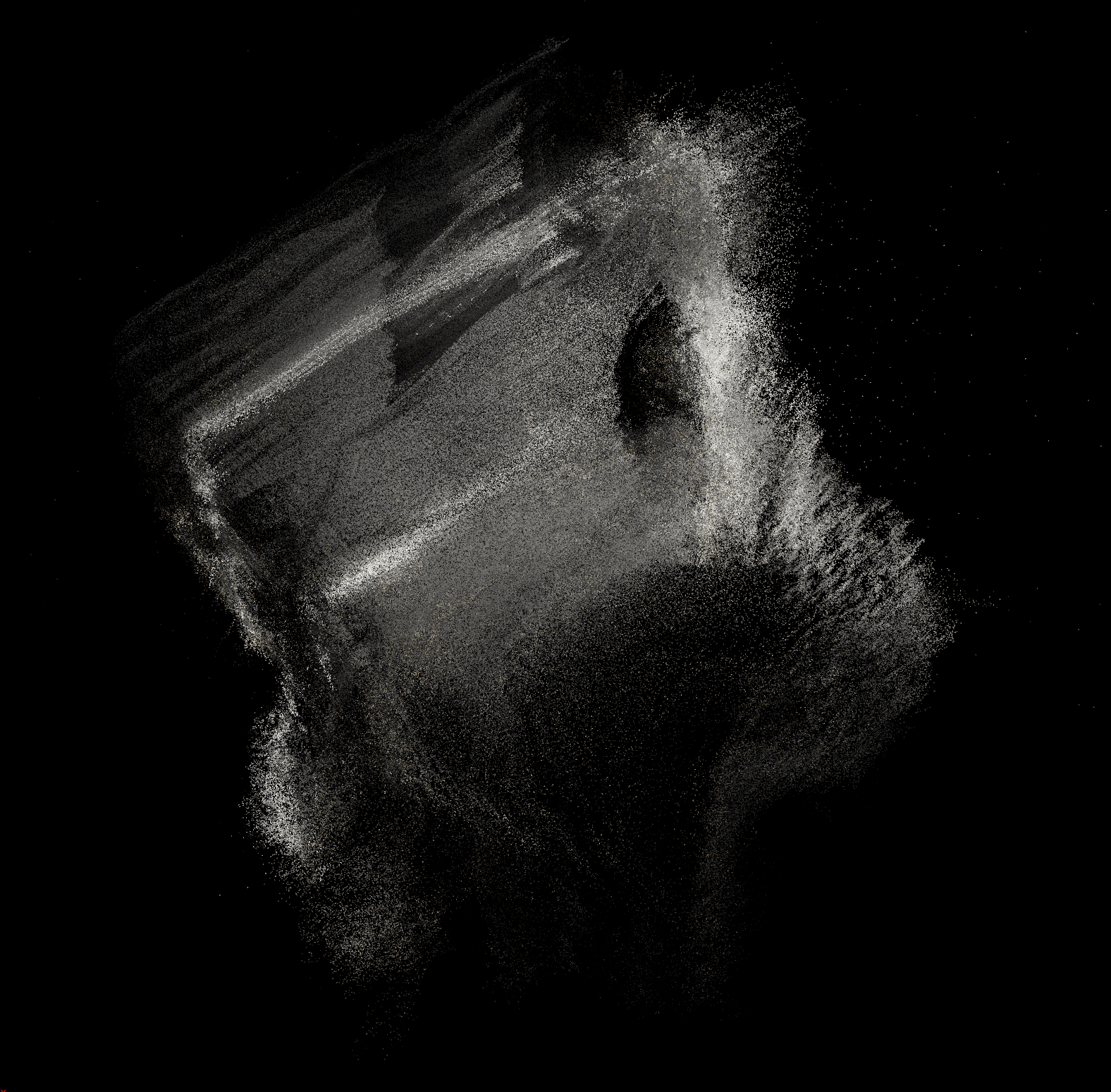
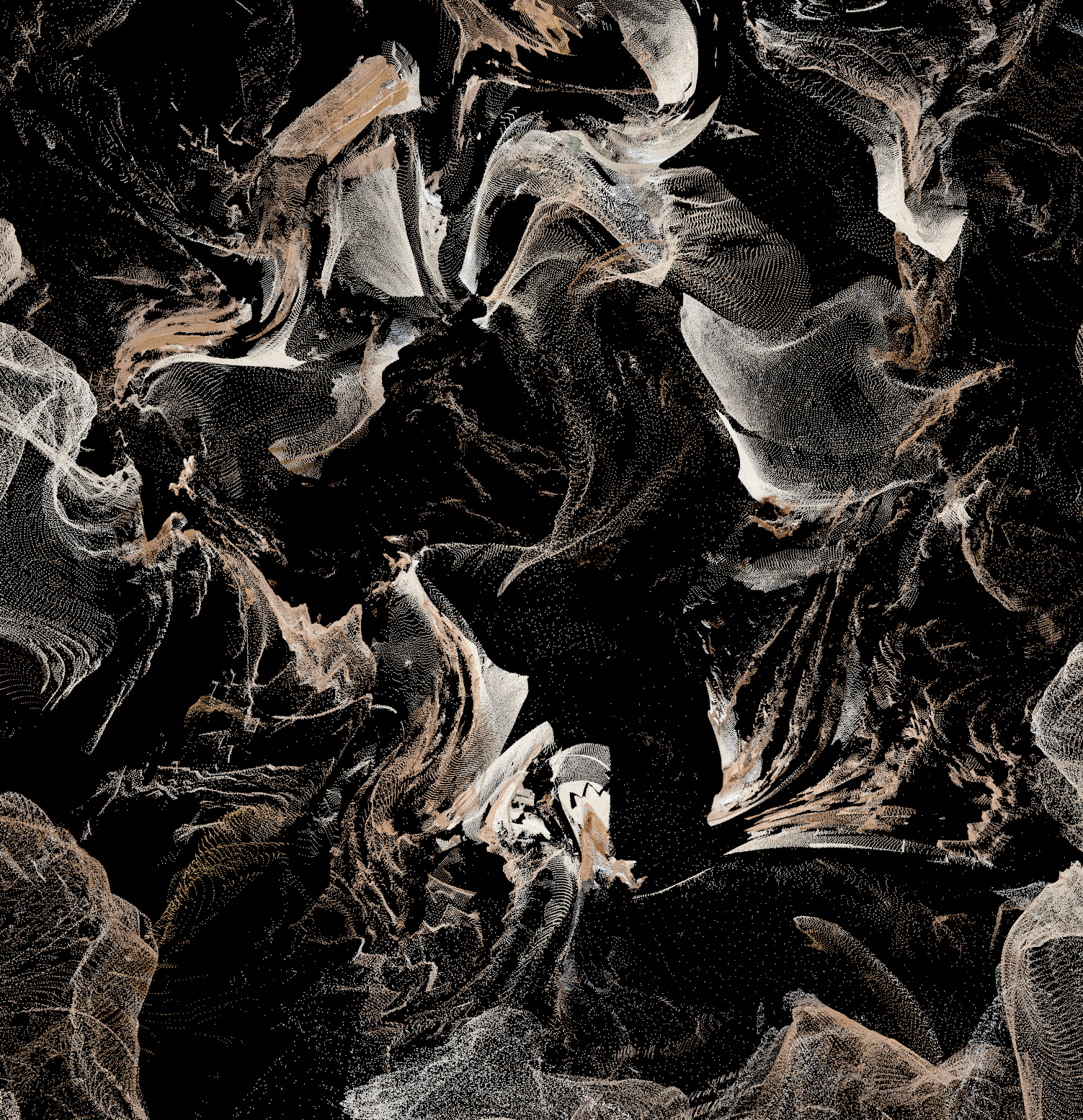
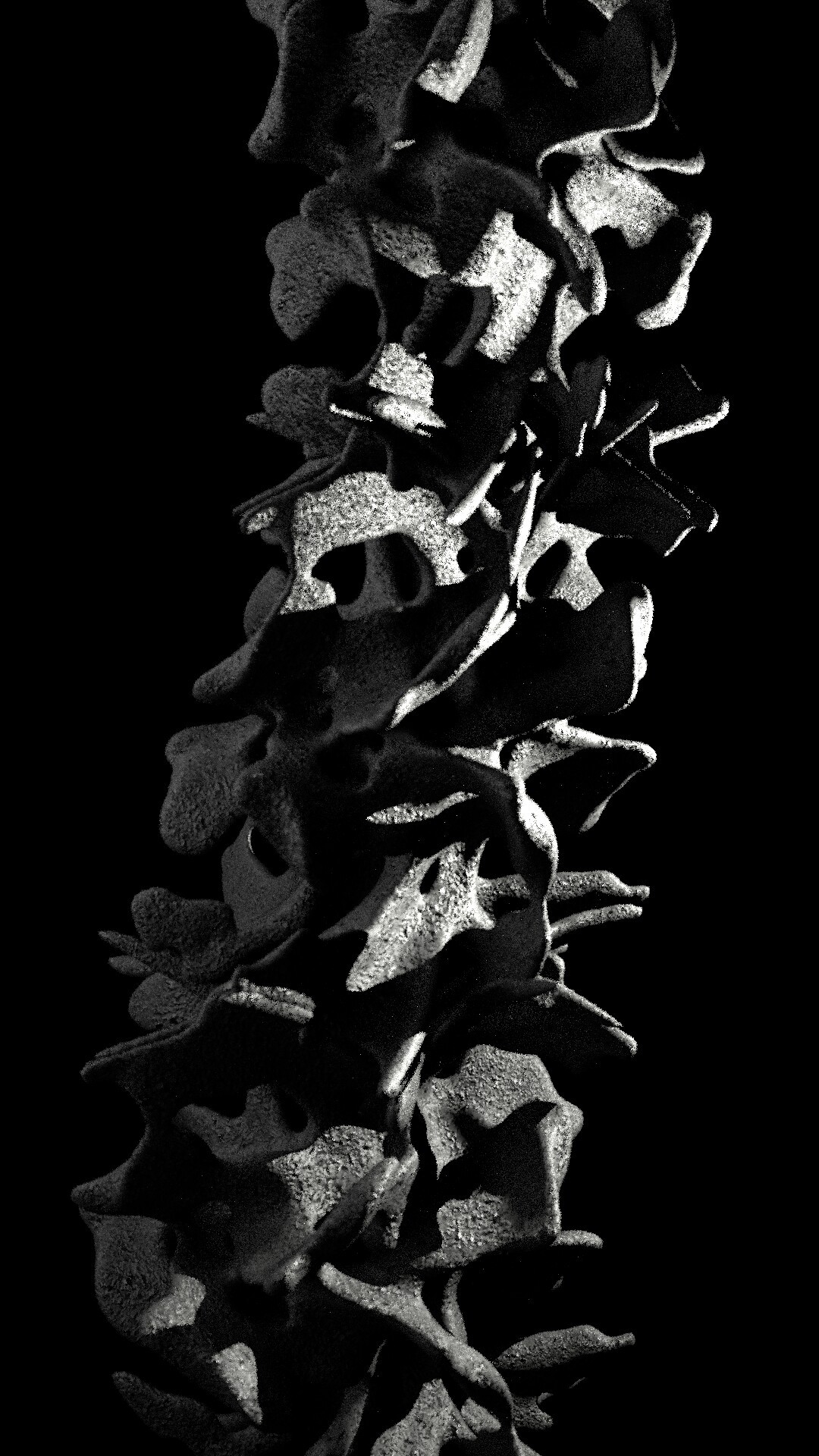
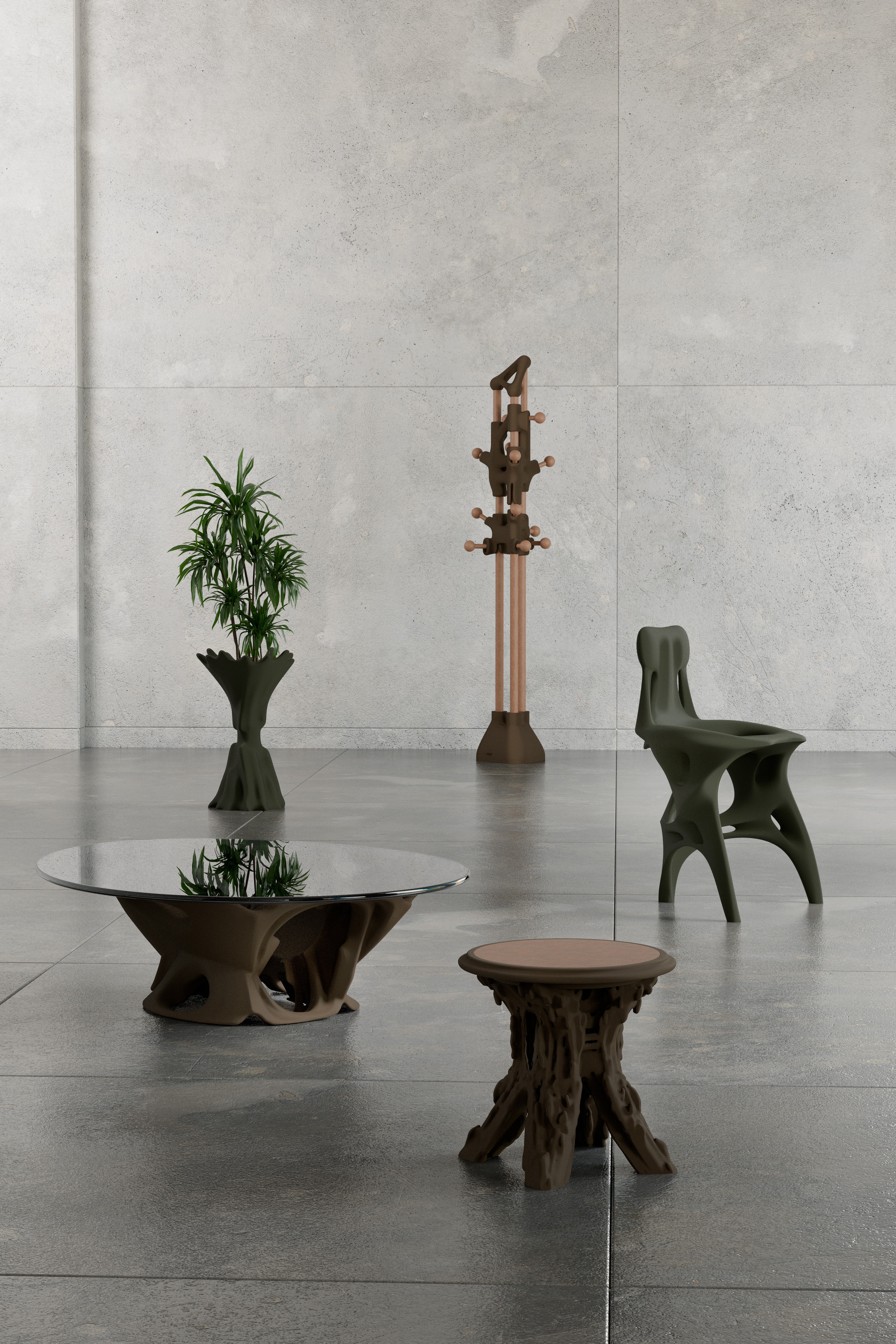
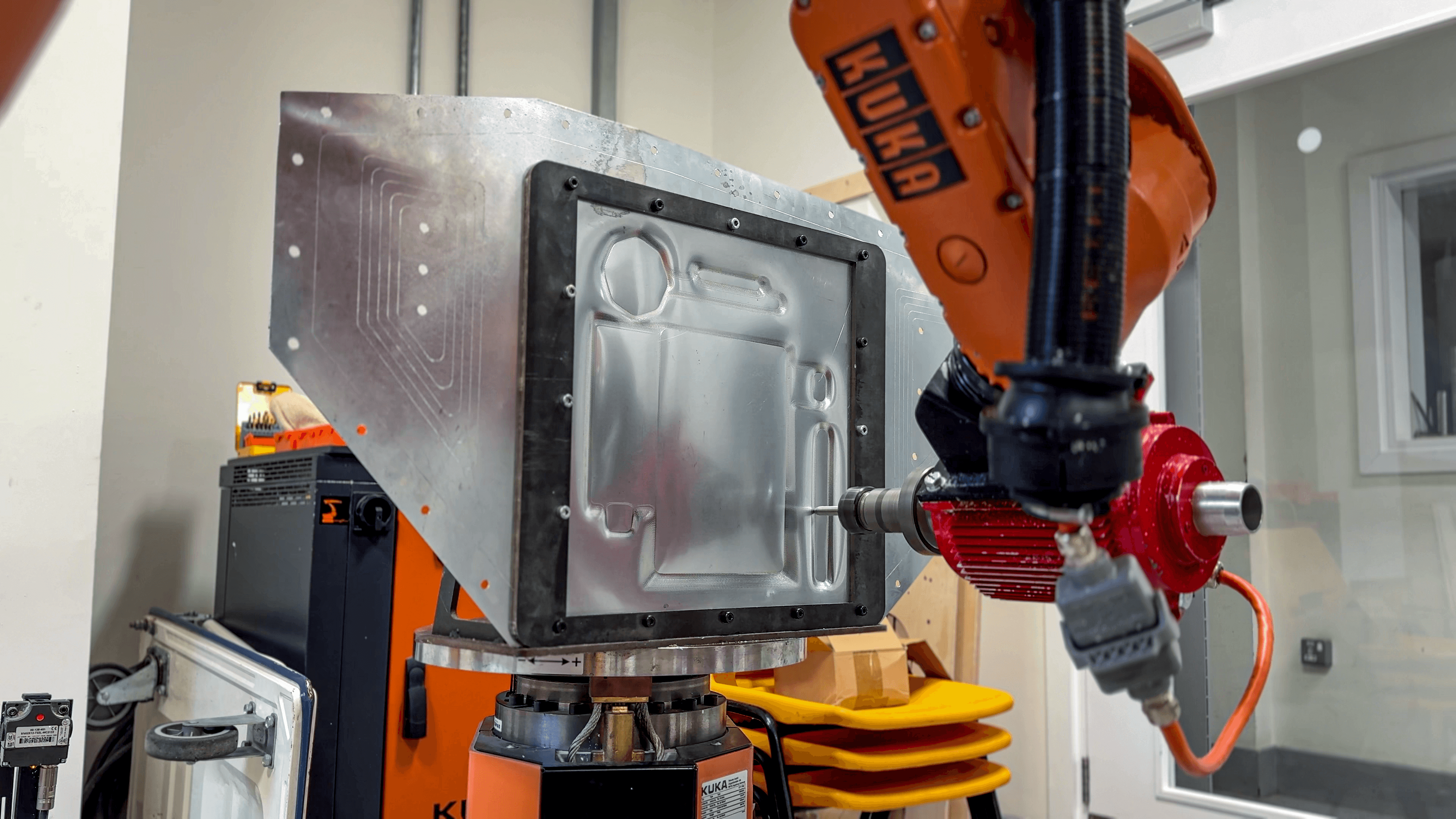
Fabrication is used as a method of spatial thinking. The making process incorporates advanced techniques, encoded geometries, and material operations that unfold through complexity and precision.

Pixels

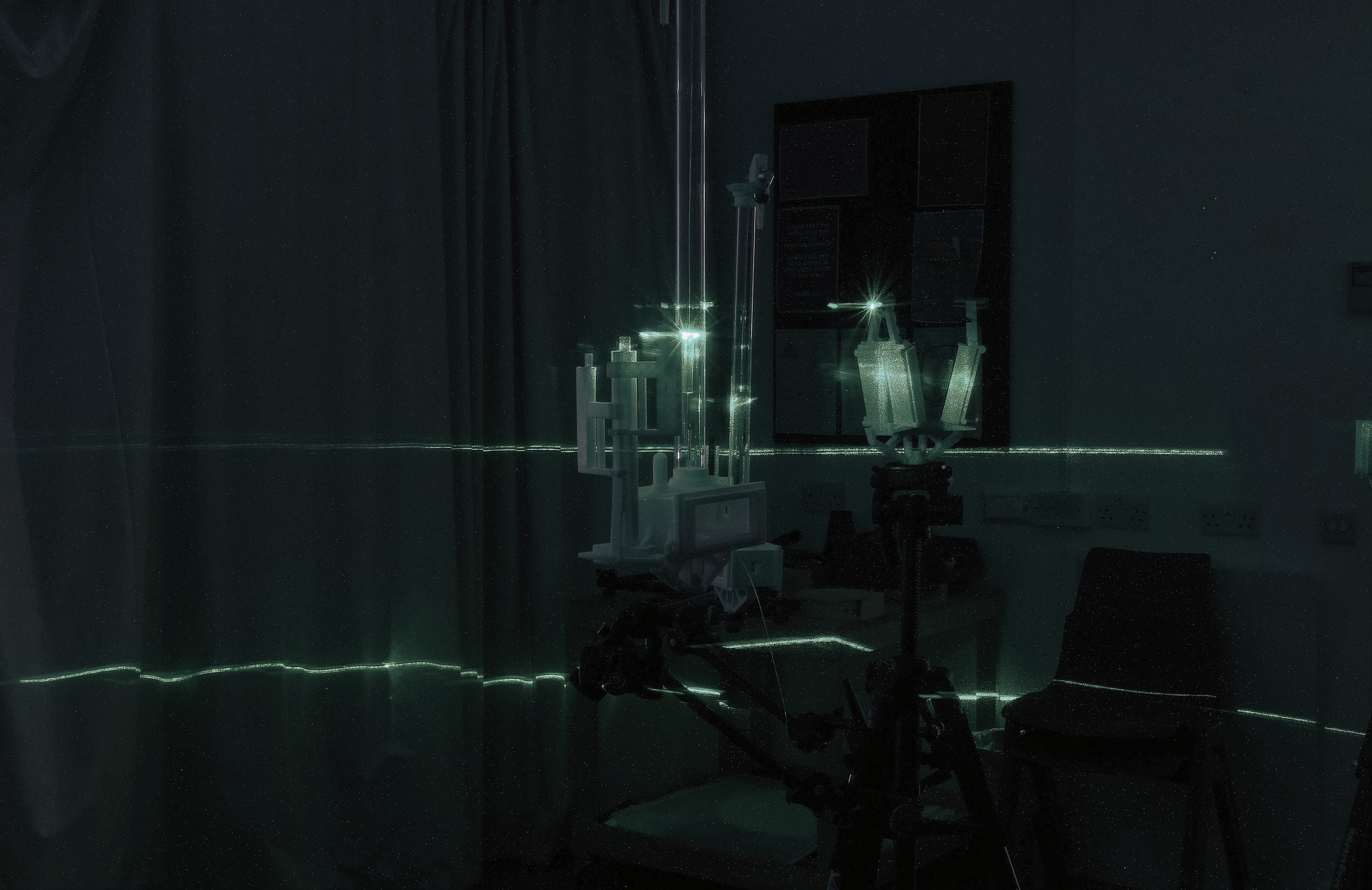
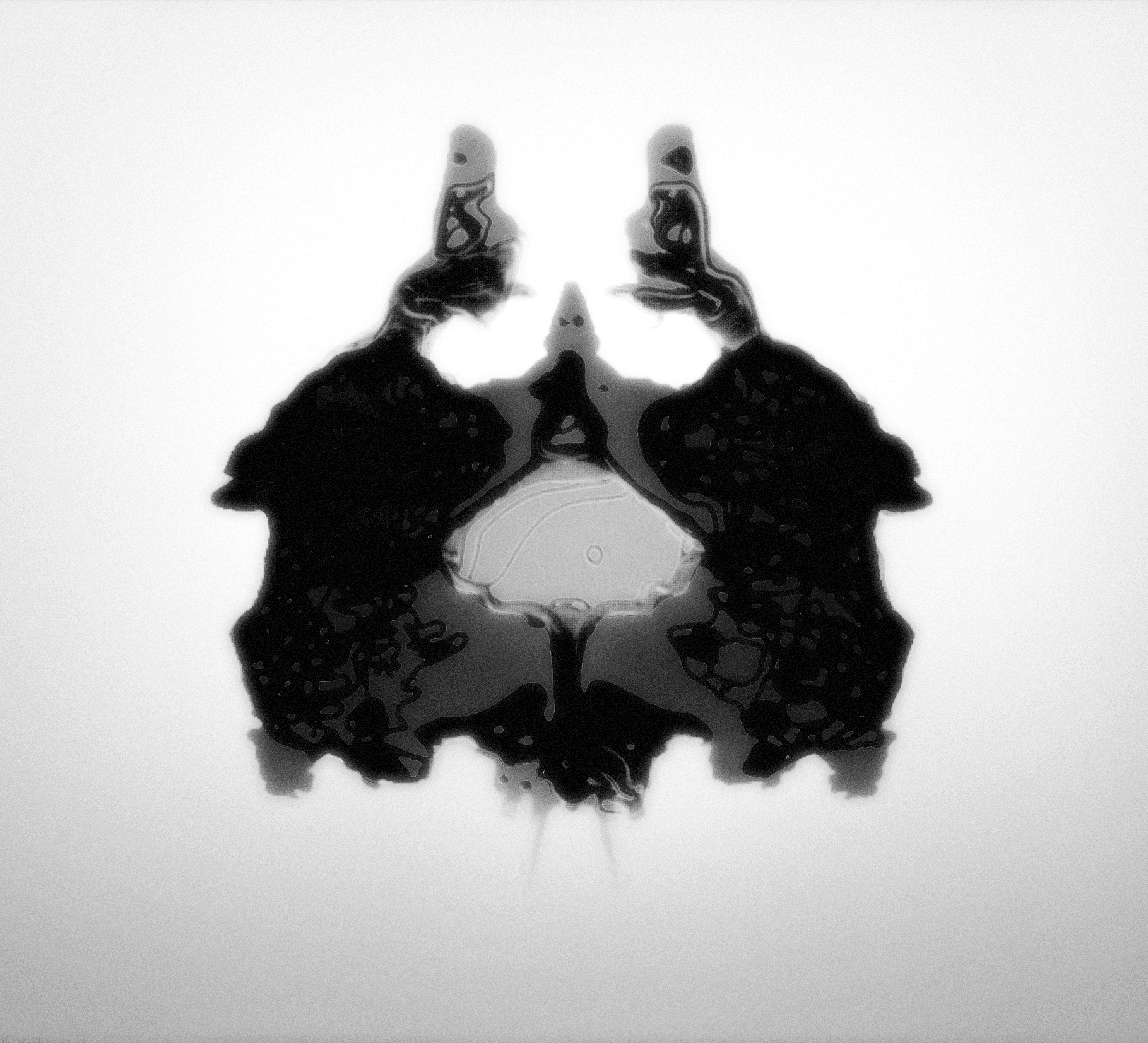
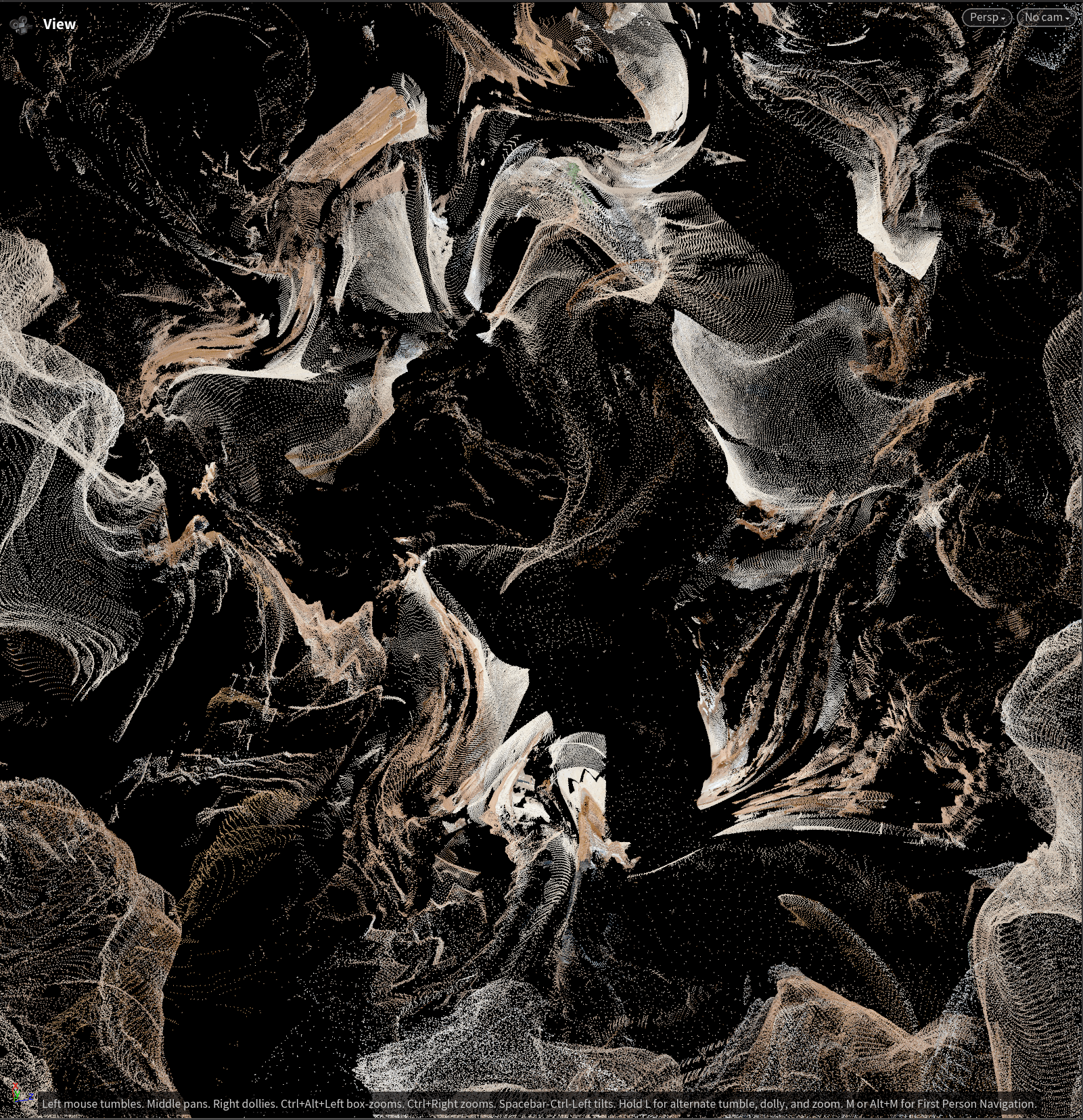
Image is approached as a generative medium. Visual language, simulation, sequencing, and fictional construction are used to investigate perception, projection, and the formation of new realities.

Reflections

Exhibitions

Zrfdbck - Not for what was, but for what lingers

Dec 2025

London Design Festival

Sep 2025

Material Matters

Sep 2025

3daysofdesign

Jun 2025

I swear on my mother's rechargeable batteries

Jun 2024

Cinematic Landscape Exchange

May 2023

Awards & Grants

Shortlisted Design - PRIMA Micro Architecture

Mar 2025

Technical Study High Pass Prize

Jun 2025

AAVS Self Observing Landscape Scholarship

Aug 2023

History & Theory High Pass Nomination

May 2023

Media Study High Pass Prize

May 2023

Teaching

Guest Critic - Architectural Association

Sep 2024 - Present

Technical Study Teaching Assistant - Architectural Association

Jun 2025 - Sep 2025

Guest Collaborator - AAVS "Rebuilding Vienna" Workshop

Jun 2025

Recognitions

Recurrence: Computational Tectonics

Parametric Architecture, Nov 2025

Intervals of Matter: The Temporal Architecture of Lei Zhang / 1e-43

Ourculture Magazine, Oct 2025

Wedge Designs with Sand and Data

DesignWanted, Nov 2025

London Design Festival 2025(Interview & Feature)

Elle Decoration UK, Oct 2025

Material Matters 2025: Seven Sustainable Highlights in London

Archipanic, Sep 2025

Mise en Abyme: London

Creative Applications Network, Oct 2025

Wedge at 3 Days of Design: Mise en Abyme

Dezeen Events, 2025

Feature of Design Research Thesis Project: The Geomagnetician’s House

AA Book 2024

Publication of essay The Sound of Memory

Music and Architecture, 2023

Everything starts at 10⁻⁴³ seconds.

Everything starts at 10⁻⁴³ seconds.

Everything starts at 10⁻⁴³ seconds.